Buy nysop.com ?
We are moving the project
nysop.com .
Are you interested in purchasing the domain
nysop.com ?
domain@kv-gmbh.de · 0541-91531010
Buy nysop.com ?
Can one mix the passé composé and the passé simple in a story?
Yes, it is possible to mix the passé composé and the passé simple in a story. The passé composé is commonly used in spoken French and in modern literature to express actions that are completed in the past, while the passé simple is used in formal writing to narrate specific events or actions that occurred in the past. Mixing these two tenses can add complexity and depth to a story, creating a more dynamic and engaging narrative. However, it is important to use them appropriately to maintain coherence and clarity in the storytelling. **
Can you mix the passé composé and the passé simple in a story?
Yes, it is possible to mix the passé composé and the passé simple in a story. The passé composé is commonly used in spoken French to talk about completed actions in the past, while the passé simple is more commonly used in written French to narrate past events. Mixing these two tenses can add complexity and richness to a story, providing a balance between the immediacy of the passé composé and the narrative distance of the passé simple. This combination can create a dynamic and engaging storytelling style. **
Similar search terms for Passé
Top-Angebote
Products related to Passé:
-
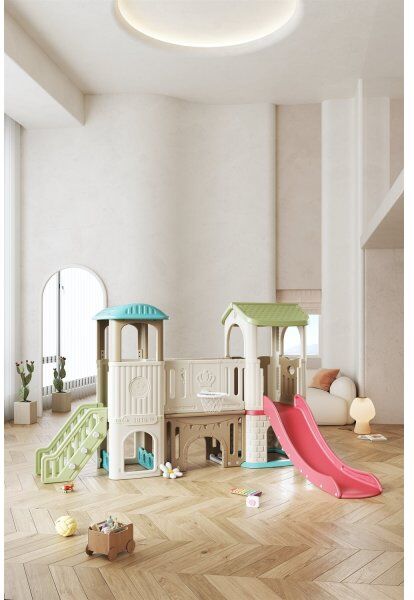
Kids Zone Adventure Park LegepladsAdventure Park Introducer dit barn til en verden af sjov og eventyr med vores fantastiske legetårne med rutsjebane! Vores legetårne er skabt med kærlighed og omtanke for at give dine børn den ultimative legeoplevelse. Legetårnene er ikke kun sjove, de er også smukt udformet. Passer perfekt ind i enhver have eller legerum og giver et imponerende syn. Det er det perfekte sted for børn at møde nye venner og udvikle venskaber, mens de leger sammen og udforsker. Der er sørget for at sikkerheden er i top. Alle materialer er af høj kvalitet, og konstruktionen er stabil og solid. Trappestige Basket Gangbro 2 legetårne Rutsjebane Legerum forneden Størrelse: 207 x 146 x 128 cm Vægt: 59 kg. Godkendelse: EN712998,75 DKK*Shipping: 31,19 DKKSecure redirect to the provider
-
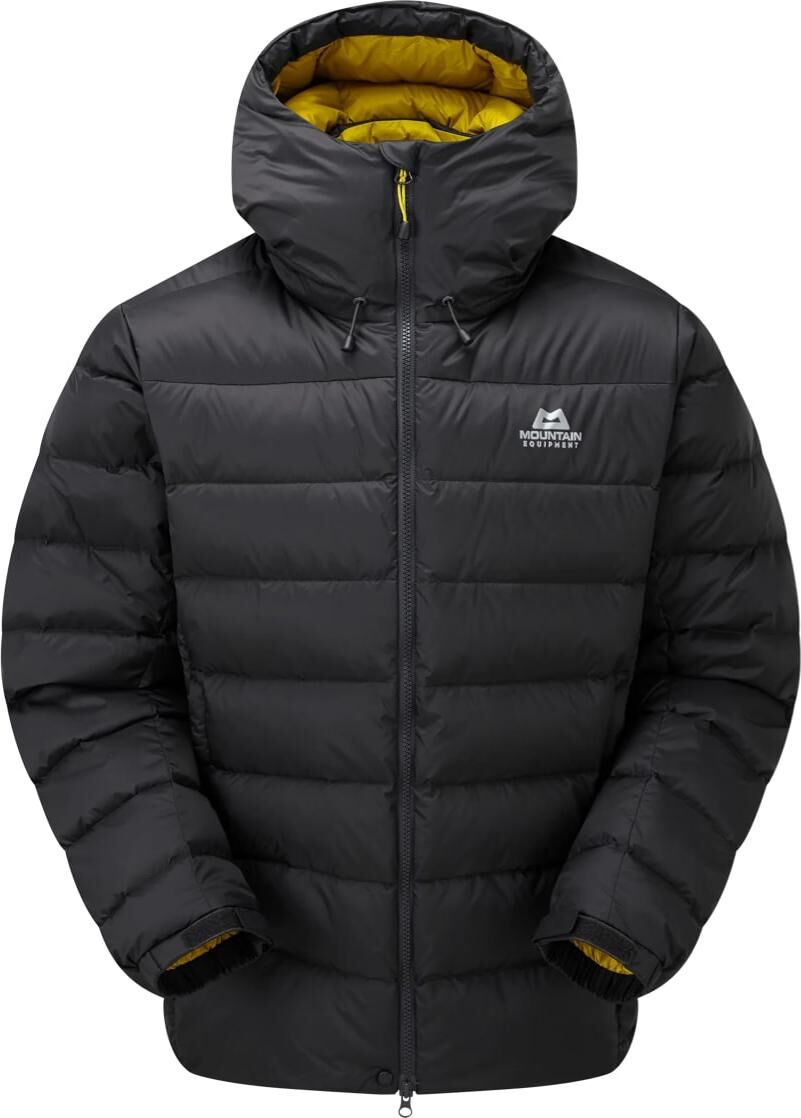
Mountain Equipment Men´s Senja Jacket Obsidian, MMen's Senja Jacket fra Mountain Equipment er en varm, alsidig og pakbar dunjakke til mænd, udviklet til kolde dage i bjergene. Senja egner sig lige godt til bjergklatring og vinterture som til skiløb, trekking og hverdagsbrug, når temperaturen falder. Isoleringen af andedun giver så meget varme som muligt i forhold til mængden af dun. Yderstoffet er vindtæt og meget vandafvisende. Hætten er nem at justere under aktivitet, og to varme håndlommer med lynlås holder hænderne varme, mens en indvendig sikkerhedslomme med lynlås giver sikker opbevaring af værdigenstande. Den tovejs-lynlås er nem at bruge med handsker, mens elastiske og justerbare manchetter gør det nemt at tilpasse jakken omkring håndleddene. Dobbelt snørejustering forneden gør det muligt at justere pasformen og reducerer varmetab. Jakken leveres med en let pakkepose, som gør den nem at have med i rygsækken, når den ikke er i brug. To varme håndlommer med lynlås Indvendig sikkerhedslomme med lynlås Tovejs-lynlås, som er nem at bruge med handsker Justerbare og elastiske manchetter Materiale: Yderstof: 100% polyamidFyld: 100% dunInderstof: 100% polyamid1799,00 DKK*Shipping: 0,00 DKKSecure redirect to the provider

-
Imperfect or passé composé when?
The choice between imperfect and passé composé depends on the context and the specific action being described. The imperfect is used to describe ongoing or repeated actions in the past, while the passé composé is used for completed actions. If the action is a one-time event that happened in the past, the passé composé is more appropriate. However, if the action was ongoing or repeated, the imperfect should be used. **
-
What is the difference between the participe passé and the passé composé in French?
In French, the participe passé is a verb form used to form compound tenses like the passé composé. The participe passé is the past participle of a verb, while the passé composé is a compound tense formed by using the auxiliary verb "avoir" or "être" in the present tense followed by the past participle of the main verb. Essentially, the participe passé is a component of the passé composé, which is a complete verb form used to express actions that have been completed in the past. **
-
What is the difference between the Participe Passé and the Passé Composé in French?
In French, the Participe Passé is a verb form used in compound tenses like the Passé Composé. The Passé Composé is a compound tense that consists of an auxiliary verb (either "avoir" or "être" conjugated in the present tense) followed by the past participle of the main verb. The Participe Passé is the past participle form of a verb, while the Passé Composé is a specific compound tense used to express completed actions in the past. **
-
When is the passé composé agreed?
The passé composé is agreed in gender and number with the subject when the auxiliary verb is "être." This means that the past participle must agree with the subject in gender and number. However, when the auxiliary verb is "avoir," the past participle does not agree with the subject. **


When is the passé composé used?
The passé composé is used in French to express actions that were completed in the past. It is formed with the auxiliary verb "avoir" or "être" in the present tense, followed by the past participle of the main verb. This tense is commonly used to talk about specific actions or events that happened at a definite point in the past. It is also used to describe a series of completed actions or to talk about actions that have a direct impact on the present. **
What is the French passé composé?
The French passé composé is a compound past tense used to talk about completed actions in the past. It is formed with the auxiliary verb "avoir" or "être" in the present tense, followed by the past participle of the main verb. The choice between "avoir" and "être" as the auxiliary verb depends on the main verb and whether it is transitive or intransitive. The passé composé is commonly used in spoken and written French to describe specific actions that occurred at a definite point in the past. **
Top-Angebote
Products related to Passé:
-
Kids Zone Adventure Park LegepladsAdventure Park Introducer dit barn til en verden af sjov og eventyr med vores fantastiske legetårne med rutsjebane! Vores legetårne er skabt med kærlighed og omtanke for at give dine børn den ultimative legeoplevelse. Legetårnene er ikke kun sjove, de er også smukt udformet. Passer perfekt ind i enhver have eller legerum og giver et imponerende syn. Det er det perfekte sted for børn at møde nye venner og udvikle venskaber, mens de leger sammen og udforsker. Der er sørget for at sikkerheden er i top. Alle materialer er af høj kvalitet, og konstruktionen er stabil og solid. Trappestige Basket Gangbro 2 legetårne Rutsjebane Legerum forneden Størrelse: 207 x 146 x 128 cm Vægt: 59 kg. Godkendelse: EN712998,75 DKK*Shipping: 31,19 DKKSecure redirect to the provider
-
Can one mix the passé composé and the passé simple in a story?
Yes, it is possible to mix the passé composé and the passé simple in a story. The passé composé is commonly used in spoken French and in modern literature to express actions that are completed in the past, while the passé simple is used in formal writing to narrate specific events or actions that occurred in the past. Mixing these two tenses can add complexity and depth to a story, creating a more dynamic and engaging narrative. However, it is important to use them appropriately to maintain coherence and clarity in the storytelling. **
-
Can you mix the passé composé and the passé simple in a story?
Yes, it is possible to mix the passé composé and the passé simple in a story. The passé composé is commonly used in spoken French to talk about completed actions in the past, while the passé simple is more commonly used in written French to narrate past events. Mixing these two tenses can add complexity and richness to a story, providing a balance between the immediacy of the passé composé and the narrative distance of the passé simple. This combination can create a dynamic and engaging storytelling style. **
-
Imperfect or passé composé when?
The choice between imperfect and passé composé depends on the context and the specific action being described. The imperfect is used to describe ongoing or repeated actions in the past, while the passé composé is used for completed actions. If the action is a one-time event that happened in the past, the passé composé is more appropriate. However, if the action was ongoing or repeated, the imperfect should be used. **
-
What is the difference between the participe passé and the passé composé in French?
In French, the participe passé is a verb form used to form compound tenses like the passé composé. The participe passé is the past participle of a verb, while the passé composé is a compound tense formed by using the auxiliary verb "avoir" or "être" in the present tense followed by the past participle of the main verb. Essentially, the participe passé is a component of the passé composé, which is a complete verb form used to express actions that have been completed in the past. **
Similar search terms for Passé
-
Mountain Equipment Men´s Senja Jacket Obsidian, MMen's Senja Jacket fra Mountain Equipment er en varm, alsidig og pakbar dunjakke til mænd, udviklet til kolde dage i bjergene. Senja egner sig lige godt til bjergklatring og vinterture som til skiløb, trekking og hverdagsbrug, når temperaturen falder. Isoleringen af andedun giver så meget varme som muligt i forhold til mængden af dun. Yderstoffet er vindtæt og meget vandafvisende. Hætten er nem at justere under aktivitet, og to varme håndlommer med lynlås holder hænderne varme, mens en indvendig sikkerhedslomme med lynlås giver sikker opbevaring af værdigenstande. Den tovejs-lynlås er nem at bruge med handsker, mens elastiske og justerbare manchetter gør det nemt at tilpasse jakken omkring håndleddene. Dobbelt snørejustering forneden gør det muligt at justere pasformen og reducerer varmetab. Jakken leveres med en let pakkepose, som gør den nem at have med i rygsækken, når den ikke er i brug. To varme håndlommer med lynlås Indvendig sikkerhedslomme med lynlås Tovejs-lynlås, som er nem at bruge med handsker Justerbare og elastiske manchetter Materiale: Yderstof: 100% polyamidFyld: 100% dunInderstof: 100% polyamid1799,00 DKK*Shipping: 0,00 DKKSecure redirect to the provider
-
What is the difference between the Participe Passé and the Passé Composé in French?
In French, the Participe Passé is a verb form used in compound tenses like the Passé Composé. The Passé Composé is a compound tense that consists of an auxiliary verb (either "avoir" or "être" conjugated in the present tense) followed by the past participle of the main verb. The Participe Passé is the past participle form of a verb, while the Passé Composé is a specific compound tense used to express completed actions in the past. **
-
When is the passé composé agreed?
The passé composé is agreed in gender and number with the subject when the auxiliary verb is "être." This means that the past participle must agree with the subject in gender and number. However, when the auxiliary verb is "avoir," the past participle does not agree with the subject. **
-
When is the passé composé used?
The passé composé is used in French to express actions that were completed in the past. It is formed with the auxiliary verb "avoir" or "être" in the present tense, followed by the past participle of the main verb. This tense is commonly used to talk about specific actions or events that happened at a definite point in the past. It is also used to describe a series of completed actions or to talk about actions that have a direct impact on the present. **
-
What is the French passé composé?
The French passé composé is a compound past tense used to talk about completed actions in the past. It is formed with the auxiliary verb "avoir" or "être" in the present tense, followed by the past participle of the main verb. The choice between "avoir" and "être" as the auxiliary verb depends on the main verb and whether it is transitive or intransitive. The passé composé is commonly used in spoken and written French to describe specific actions that occurred at a definite point in the past. **
* All prices are inclusive of VAT and, if applicable, plus shipping costs. The offer information is based on the details provided by the respective shop and is updated through automated processes. Real-time updates do not occur, so deviations can occur in individual cases. ** Note: Parts of this content were created by AI.