Buy nysop.com ?
We are moving the project
nysop.com .
Are you interested in purchasing the domain
nysop.com ?
domain@kv-gmbh.de · 0541-91531010
Buy nysop.com ?
Are all axisymmetric triangles isosceles?
No, not all axisymmetric triangles are isosceles. An axisymmetric triangle is a triangle that can be rotated 180 degrees and still look the same. Isosceles triangles are a specific type of triangle where two sides are equal in length. While an isosceles triangle can be axisymmetric, not all axisymmetric triangles are isosceles. **
Why is a parallelogram not axisymmetric?
A parallelogram is not axisymmetric because it does not have rotational symmetry around any axis. In an axisymmetric shape, any rotation around a central axis will result in the same shape. However, in a parallelogram, rotating it around any axis other than its center will result in a different orientation and shape. This lack of rotational symmetry around any axis is what distinguishes a parallelogram from an axisymmetric shape. **
Similar search terms for Axisymmetric
Top-Angebote
Products related to Axisymmetric:


-
Is it axisymmetric or point-symmetric?
The object is axisymmetric because it has rotational symmetry around an axis, meaning it looks the same when rotated around that axis. Point-symmetry, on the other hand, involves reflection symmetry around a point, which is not present in this case. **
-
Are regularly constructed figures always also axisymmetric?
No, regularly constructed figures are not always axisymmetric. While axisymmetric figures have rotational symmetry around an axis, regularly constructed figures have equal sides and angles. Some regularly constructed figures, such as squares and equilateral triangles, may also be axisymmetric due to their symmetry properties, but others, like regular pentagons or hexagons, do not possess axisymmetry. **
-
Can a figure be both axisymmetric and point-symmetric?
No, a figure cannot be both axisymmetric and point-symmetric at the same time. Axisymmetric means that the figure has rotational symmetry around an axis, while point-symmetric means that the figure has symmetry around a central point. These two types of symmetry are mutually exclusive, as a figure cannot have both rotational symmetry around an axis and symmetry around a central point simultaneously. **
-
Can a rational function be both axisymmetric and point-symmetric?
No, a rational function cannot be both axisymmetric and point-symmetric. Axisymmetric means that the function is symmetric with respect to rotation around an axis, while point-symmetric means that the function is symmetric with respect to reflection across a point. These two types of symmetry are not compatible with each other, so a function cannot exhibit both types of symmetry simultaneously. **
Why is the derivative of an axisymmetric function always point-symmetric?
The derivative of an axisymmetric function is always point-symmetric because the function has the same value at every point along a given radius from the axis of symmetry. This means that the rate of change of the function with respect to the distance from the axis is the same in all directions, resulting in a point-symmetric derivative. In other words, the derivative of an axisymmetric function is the same in all directions, leading to point-symmetry. **
How can you add to a right-angled triangle to make it axisymmetric?
To make a right-angled triangle axisymmetric, you can add a mirror image of the triangle to the other side of the right angle. This will create a shape that is symmetrical along the line of the right angle, resulting in an axisymmetric figure. Additionally, you can also add a line of symmetry through the midpoint of the hypotenuse, creating a reflection of the triangle on the other side of the line. This will also result in an axisymmetric shape. **
Top-Angebote
Products related to Axisymmetric:
-
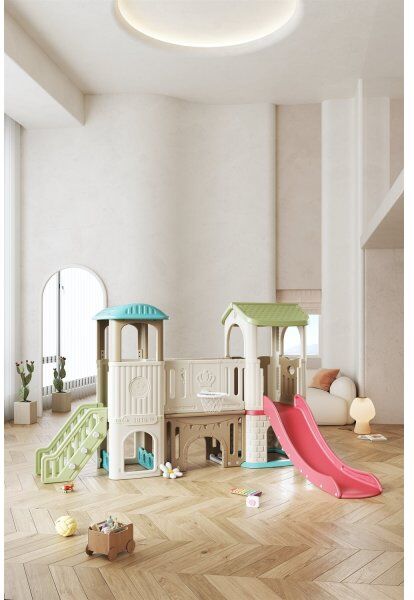
Kids Zone Adventure Park LegepladsAdventure Park Introducer dit barn til en verden af sjov og eventyr med vores fantastiske legetårne med rutsjebane! Vores legetårne er skabt med kærlighed og omtanke for at give dine børn den ultimative legeoplevelse. Legetårnene er ikke kun sjove, de er også smukt udformet. Passer perfekt ind i enhver have eller legerum og giver et imponerende syn. Det er det perfekte sted for børn at møde nye venner og udvikle venskaber, mens de leger sammen og udforsker. Der er sørget for at sikkerheden er i top. Alle materialer er af høj kvalitet, og konstruktionen er stabil og solid. Trappestige Basket Gangbro 2 legetårne Rutsjebane Legerum forneden Størrelse: 207 x 146 x 128 cm Vægt: 59 kg. Godkendelse: EN712998,75 DKK*Shipping: 31,19 DKKSecure redirect to the provider
-
Are all axisymmetric triangles isosceles?
No, not all axisymmetric triangles are isosceles. An axisymmetric triangle is a triangle that can be rotated 180 degrees and still look the same. Isosceles triangles are a specific type of triangle where two sides are equal in length. While an isosceles triangle can be axisymmetric, not all axisymmetric triangles are isosceles. **
-
Why is a parallelogram not axisymmetric?
A parallelogram is not axisymmetric because it does not have rotational symmetry around any axis. In an axisymmetric shape, any rotation around a central axis will result in the same shape. However, in a parallelogram, rotating it around any axis other than its center will result in a different orientation and shape. This lack of rotational symmetry around any axis is what distinguishes a parallelogram from an axisymmetric shape. **
-
Is it axisymmetric or point-symmetric?
The object is axisymmetric because it has rotational symmetry around an axis, meaning it looks the same when rotated around that axis. Point-symmetry, on the other hand, involves reflection symmetry around a point, which is not present in this case. **
-
Are regularly constructed figures always also axisymmetric?
No, regularly constructed figures are not always axisymmetric. While axisymmetric figures have rotational symmetry around an axis, regularly constructed figures have equal sides and angles. Some regularly constructed figures, such as squares and equilateral triangles, may also be axisymmetric due to their symmetry properties, but others, like regular pentagons or hexagons, do not possess axisymmetry. **
Similar search terms for Axisymmetric
-
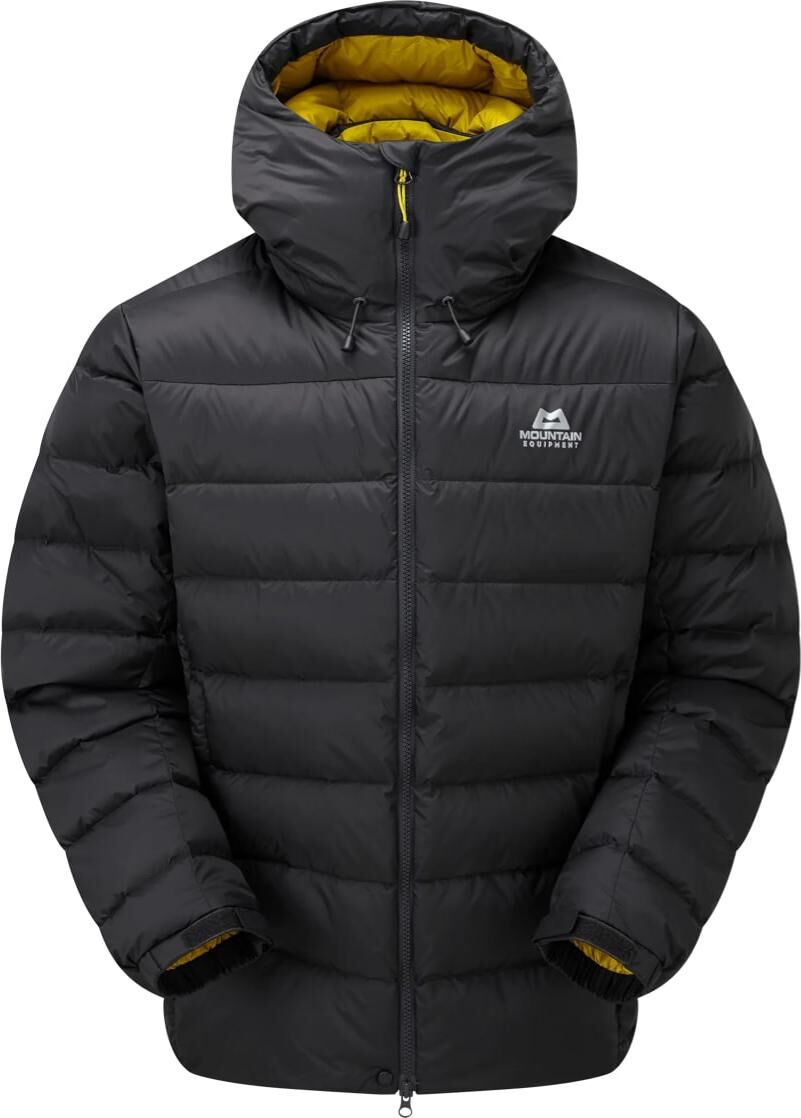
Mountain Equipment Men´s Senja Jacket Obsidian, MMen's Senja Jacket fra Mountain Equipment er en varm, alsidig og pakbar dunjakke til mænd, udviklet til kolde dage i bjergene. Senja egner sig lige godt til bjergklatring og vinterture som til skiløb, trekking og hverdagsbrug, når temperaturen falder. Isoleringen af andedun giver så meget varme som muligt i forhold til mængden af dun. Yderstoffet er vindtæt og meget vandafvisende. Hætten er nem at justere under aktivitet, og to varme håndlommer med lynlås holder hænderne varme, mens en indvendig sikkerhedslomme med lynlås giver sikker opbevaring af værdigenstande. Den tovejs-lynlås er nem at bruge med handsker, mens elastiske og justerbare manchetter gør det nemt at tilpasse jakken omkring håndleddene. Dobbelt snørejustering forneden gør det muligt at justere pasformen og reducerer varmetab. Jakken leveres med en let pakkepose, som gør den nem at have med i rygsækken, når den ikke er i brug. To varme håndlommer med lynlås Indvendig sikkerhedslomme med lynlås Tovejs-lynlås, som er nem at bruge med handsker Justerbare og elastiske manchetter Materiale: Yderstof: 100% polyamidFyld: 100% dunInderstof: 100% polyamid1799,00 DKK*Shipping: 0,00 DKKSecure redirect to the provider
-
Can a figure be both axisymmetric and point-symmetric?
No, a figure cannot be both axisymmetric and point-symmetric at the same time. Axisymmetric means that the figure has rotational symmetry around an axis, while point-symmetric means that the figure has symmetry around a central point. These two types of symmetry are mutually exclusive, as a figure cannot have both rotational symmetry around an axis and symmetry around a central point simultaneously. **
-
Can a rational function be both axisymmetric and point-symmetric?
No, a rational function cannot be both axisymmetric and point-symmetric. Axisymmetric means that the function is symmetric with respect to rotation around an axis, while point-symmetric means that the function is symmetric with respect to reflection across a point. These two types of symmetry are not compatible with each other, so a function cannot exhibit both types of symmetry simultaneously. **
-
Why is the derivative of an axisymmetric function always point-symmetric?
The derivative of an axisymmetric function is always point-symmetric because the function has the same value at every point along a given radius from the axis of symmetry. This means that the rate of change of the function with respect to the distance from the axis is the same in all directions, resulting in a point-symmetric derivative. In other words, the derivative of an axisymmetric function is the same in all directions, leading to point-symmetry. **
-
How can you add to a right-angled triangle to make it axisymmetric?
To make a right-angled triangle axisymmetric, you can add a mirror image of the triangle to the other side of the right angle. This will create a shape that is symmetrical along the line of the right angle, resulting in an axisymmetric figure. Additionally, you can also add a line of symmetry through the midpoint of the hypotenuse, creating a reflection of the triangle on the other side of the line. This will also result in an axisymmetric shape. **
* All prices are inclusive of VAT and, if applicable, plus shipping costs. The offer information is based on the details provided by the respective shop and is updated through automated processes. Real-time updates do not occur, so deviations can occur in individual cases. ** Note: Parts of this content were created by AI.