Buy nysop.com ?
We are moving the project
nysop.com .
Are you interested in purchasing the domain
nysop.com ?
domain@kv-gmbh.de · 0541-91531010
Buy nysop.com ?
What is the difference between a portal crane and a bridge crane?
A portal crane is a type of crane that is mounted on a structure with legs on either side of the area it serves, allowing it to move along a fixed track. On the other hand, a bridge crane is a type of crane that is mounted on an overhead bridge structure, allowing it to move along the length of the bridge. The main difference between the two is the way they are mounted and move within their respective working areas. **
Can a crane tip over?
Yes, a crane can tip over if it is not properly set up or if it is overloaded. Factors such as strong winds, uneven ground, or operator error can also contribute to a crane tipping over. To prevent this, cranes must be set up on stable ground, have proper counterweights, and be operated by trained personnel following safety guidelines. Regular maintenance and inspections are also essential to ensure the crane's stability and prevent accidents. **

Similar search terms for Owner-Sinker-Hook-Crane
Top-Angebote
Products related to Owner-Sinker-Hook-Crane:
-
Owner Hook Covers (Krogbeskyttere)Owner Hook Covers (krogbeskyttere) - beskyttende covers til dine trekroge. Beskytter mod rust, og passer naturligvis også på dine fingre. • Findes i 7 forskellige størrelser: • XXX small (passer str. 12,14,16-18) - 16 stk. pr. pakke (pink) • XX small (passer str. 8,10,12) - 14 stk. pr. pakke (orange) • Small (passer str. 4,6,8) - 13 stk. pr. pakke (grøn) • Medium (passer str. 1,2,4) 12 stk. pr. pakke (lilla) • Large (passer str. 2/0,1/0,1) 11 stk. pr. pakke (gul) • X large (passer str. 3/0-1/0) 16 stk. pr. pakke (blå) • XX large (passer str. 5/0-2/0) 9 stk. pr. pakke (grøn)35,00 DKK*Shipping: 49,00 DKKSecure redirect to the provider



-
Why does a crane honk?
A crane honks as a form of communication with other cranes in the area. It can be used to establish territory, signal danger, or attract a mate. The honking sound is loud and carries over long distances, making it an effective way for cranes to communicate with each other in their natural habitat. **
-
'Does he survive the crane?'
Yes, he survives the crane. After a tense and dramatic struggle, he manages to escape from the crane and is rescued by emergency responders. Despite the danger and uncertainty, he ultimately survives the ordeal. **
-
Are crane flies male mosquitoes?
No, crane flies are not male mosquitoes. Crane flies belong to the family Tipulidae and are often mistaken for giant mosquitoes due to their similar appearance, but they do not bite or feed on blood like mosquitoes do. Male mosquitoes belong to the family Culicidae and are known for their characteristic long mouthparts used for piercing and sucking blood. While both crane flies and mosquitoes are insects, they are not closely related and have different behaviors and feeding habits. **
-
What is an aluminum crane?
An aluminum crane is a type of lifting equipment that is made primarily of aluminum, a lightweight and durable metal. These cranes are often used in industries where weight is a concern, such as in the aerospace or automotive industries. Aluminum cranes are known for their portability, corrosion resistance, and strength-to-weight ratio, making them a popular choice for many lifting applications. **


Is that a crane fly?
Yes, that is a crane fly. Crane flies are insects that are often mistaken for large mosquitoes due to their long legs and slender bodies. They are harmless and do not bite or sting, so there is no need for concern if you see one. Crane flies are commonly found in moist environments and are often seen flying around in the evening. **
Where is hook 2?
Hook 2 is typically located on the back of a fishing lure or bait. It is used to secure the fish once it has been hooked. The placement of hook 2 can vary depending on the type of lure being used and the fishing technique being employed. It is important to ensure that hook 2 is sharp and securely attached to the lure to increase the chances of successfully catching a fish. **
Top-Angebote
Products related to Owner-Sinker-Hook-Crane:
-
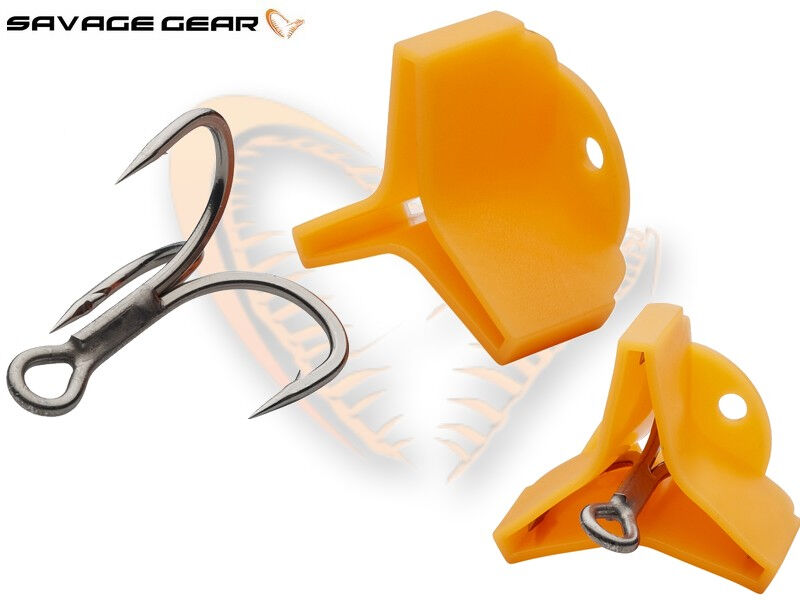
Owner Savage Gear Treble Hook Protector (Krogbeskyttere)Savage Gear Treble Hook Protector (krogbeskyttere) - beskyttende covers til dine trekroge. Beskytter mod rust, og passer naturligvis også på dine fingre. • Findes i 5 forskellige størrelser: • Small (passer str. 8-10) - 10 stk. pr. pakke • Medium (passer sr. 6-4) 10 stk. pr. pakke • Large (passer str. 2-1) 10 stk. pr. pakke • X large (passer str. 1/0-2/0) 10 stk. pr. pakke • XX large (passer str. 3/0) 10 stk. pr. pakke39,00 DKK*Shipping: 49,00 DKKSecure redirect to the provider
-
Owner Hook Covers (Krogbeskyttere)Owner Hook Covers (krogbeskyttere) - beskyttende covers til dine trekroge. Beskytter mod rust, og passer naturligvis også på dine fingre. • Findes i 7 forskellige størrelser: • XXX small (passer str. 12,14,16-18) - 16 stk. pr. pakke (pink) • XX small (passer str. 8,10,12) - 14 stk. pr. pakke (orange) • Small (passer str. 4,6,8) - 13 stk. pr. pakke (grøn) • Medium (passer str. 1,2,4) 12 stk. pr. pakke (lilla) • Large (passer str. 2/0,1/0,1) 11 stk. pr. pakke (gul) • X large (passer str. 3/0-1/0) 16 stk. pr. pakke (blå) • XX large (passer str. 5/0-2/0) 9 stk. pr. pakke (grøn)35,00 DKK*Shipping: 49,00 DKKSecure redirect to the provider
-
What is the difference between a portal crane and a bridge crane?
A portal crane is a type of crane that is mounted on a structure with legs on either side of the area it serves, allowing it to move along a fixed track. On the other hand, a bridge crane is a type of crane that is mounted on an overhead bridge structure, allowing it to move along the length of the bridge. The main difference between the two is the way they are mounted and move within their respective working areas. **
-
Can a crane tip over?
Yes, a crane can tip over if it is not properly set up or if it is overloaded. Factors such as strong winds, uneven ground, or operator error can also contribute to a crane tipping over. To prevent this, cranes must be set up on stable ground, have proper counterweights, and be operated by trained personnel following safety guidelines. Regular maintenance and inspections are also essential to ensure the crane's stability and prevent accidents. **
-
Why does a crane honk?
A crane honks as a form of communication with other cranes in the area. It can be used to establish territory, signal danger, or attract a mate. The honking sound is loud and carries over long distances, making it an effective way for cranes to communicate with each other in their natural habitat. **
-
'Does he survive the crane?'
Yes, he survives the crane. After a tense and dramatic struggle, he manages to escape from the crane and is rescued by emergency responders. Despite the danger and uncertainty, he ultimately survives the ordeal. **
Similar search terms for Owner-Sinker-Hook-Crane
-
Are crane flies male mosquitoes?
No, crane flies are not male mosquitoes. Crane flies belong to the family Tipulidae and are often mistaken for giant mosquitoes due to their similar appearance, but they do not bite or feed on blood like mosquitoes do. Male mosquitoes belong to the family Culicidae and are known for their characteristic long mouthparts used for piercing and sucking blood. While both crane flies and mosquitoes are insects, they are not closely related and have different behaviors and feeding habits. **
-
What is an aluminum crane?
An aluminum crane is a type of lifting equipment that is made primarily of aluminum, a lightweight and durable metal. These cranes are often used in industries where weight is a concern, such as in the aerospace or automotive industries. Aluminum cranes are known for their portability, corrosion resistance, and strength-to-weight ratio, making them a popular choice for many lifting applications. **
-
Is that a crane fly?
Yes, that is a crane fly. Crane flies are insects that are often mistaken for large mosquitoes due to their long legs and slender bodies. They are harmless and do not bite or sting, so there is no need for concern if you see one. Crane flies are commonly found in moist environments and are often seen flying around in the evening. **
-
Where is hook 2?
Hook 2 is typically located on the back of a fishing lure or bait. It is used to secure the fish once it has been hooked. The placement of hook 2 can vary depending on the type of lure being used and the fishing technique being employed. It is important to ensure that hook 2 is sharp and securely attached to the lure to increase the chances of successfully catching a fish. **
* All prices are inclusive of VAT and, if applicable, plus shipping costs. The offer information is based on the details provided by the respective shop and is updated through automated processes. Real-time updates do not occur, so deviations can occur in individual cases. ** Note: Parts of this content were created by AI.